What Is Meibomian Gland Dysfunction? The Condition Behind Most Dry Eye

If you have been told you have dry eye, there is a good chance the real diagnosis is more specific: meibomian gland dysfunction, or MGD. TFOS DEWS — the international consensus workshops that define dry eye science — identify MGD as the leading cause of evaporative dry eye, which is by far the most common form of the disease. Understanding this one condition explains why modern dry eye clinics look so different from a bottle of drops.
What the meibomian glands do
Roughly 25–30 vertical glands sit inside your upper eyelid and around 20–25 in the lower lid, opening in a neat row just behind the lashes. With every blink they secrete meibum — a thin layer of oil that spreads across the watery layer of your tears and stops it evaporating. A healthy tear film is mostly water, held in place by that microscopic film of oil.
When the glands become blocked or their oil thickens — through age, hormones, screen use and reduced blinking, skin conditions like rosacea, or lid-margin inflammation — the oil layer fails. Tears evaporate too fast, the eye's surface dries between blinks, and the nervous system responds with the familiar grating, burning, watering and fluctuating vision. Left untreated, chronically obstructed glands can shorten and atrophy, which is why early treatment matters: gland tissue that is lost does not grow back.
Why the warm flannel usually is not enough
The traditional advice — a warm face cloth on the eyes — is directionally right and practically weak. Blocked meibum liquefies at around 40–42°C, and it needs that temperature held at the gland itself, on the inside of the lid, for several minutes, followed by expression of the softened oil. A flannel cools within a minute, heats the outside of the lid only, and expresses nothing. It remains a useful maintenance habit; it is rarely a sufficient treatment for established MGD.
How each of our treatments attacks a different part of the problem
MGD is not one problem but a chain of them — obstruction, inflammation, poor gland function, and a contaminated lid margin. Each in-clinic treatment targets a different link:
- LipiFlow — heats the glands from the inner lid surface to ~42.5°C while pulsating pressure expresses the softened oil: the direct, mechanical answer to obstruction.
- IPL (Intense Pulsed Light) — light pulses applied to the skin below the eyes close abnormal inflammatory blood vessels and warm the glands: the answer to the inflammatory drivers of MGD.
- Tixel — brief, controlled thermal contact rejuvenates the lid skin and stimulates gland function, useful where lid tissue quality itself is part of the problem.
- Rexon-Eye — low-power quantum molecular resonance electrotherapy aimed at stimulating cellular metabolism and gland recovery over a course of sessions.
- BlephEx — micro-sponge exfoliation of the lid margin clears the bacterial biofilm of blepharitis: the hygiene link, and preparation for the treatments above.
Which of these is right — alone or in combination — depends on gland imaging, tear-film measurement and lid examination, not guesswork. That assessment is the first appointment, every time.
What you can do at home
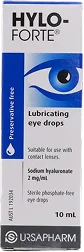
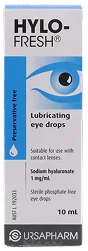
Between clinic treatments, the evidence-based basics still matter: deliberate full blinks during screen work, daily lid hygiene, omega-3 intake as advised by your optometrist, quality preservative-free lubricants matched to your tear deficiency, and a properly used heat mask rather than a cooling flannel. Home care maintains what in-clinic treatment restores.
See a specialist early
Because gland atrophy is irreversible, the worst strategy for MGD is waiting until drops stop working. If your eyes grate, burn, water on windy days or blur between blinks, book an assessment with your nearest Dry Eye Specialist Group practice — see the full range of treatments here.
References
- Jones L, Craig JP, Markoulli M, et al. TFOS DEWS III: Management and Therapy. American Journal of Ophthalmology. 2025;279:289-386.
- Nichols KK, Foulks GN, Bron AJ, et al. The International Workshop on Meibomian Gland Dysfunction: Executive Summary. Investigative Ophthalmology & Visual Science. 2011;52(4):1922-1929.
- Craig JP, Nichols KK, Akpek EK, et al. TFOS DEWS II Definition and Classification Report. The Ocular Surface. 2017;15(3):276-283.
- Tao JP, Shen JF, Aakalu VK, et al. Thermal Pulsation in the Management of Meibomian Gland Dysfunction and Dry Eye: A Report by the American Academy of Ophthalmology. Ophthalmology. 2023.